
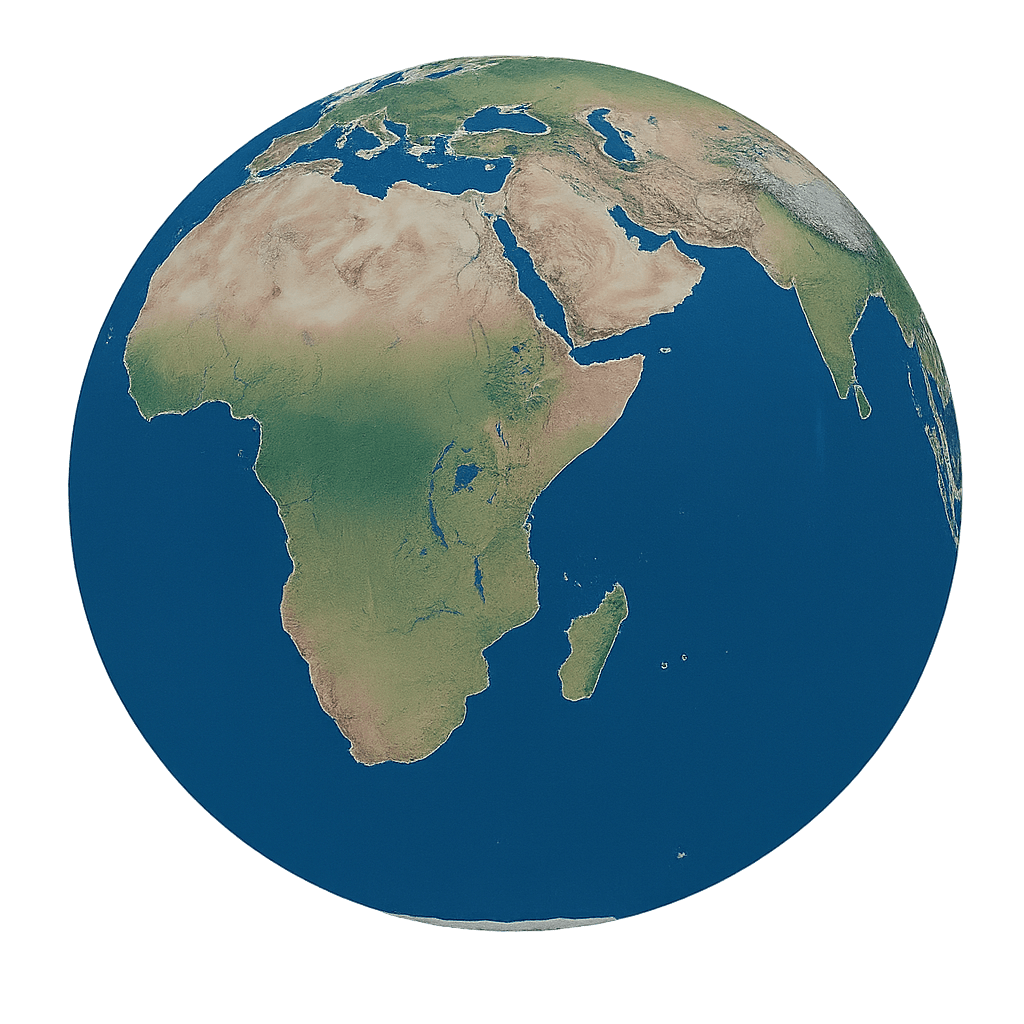
Narmada Parikrama Inscribed in India’s National Intangible Cultural Heritage Inventory
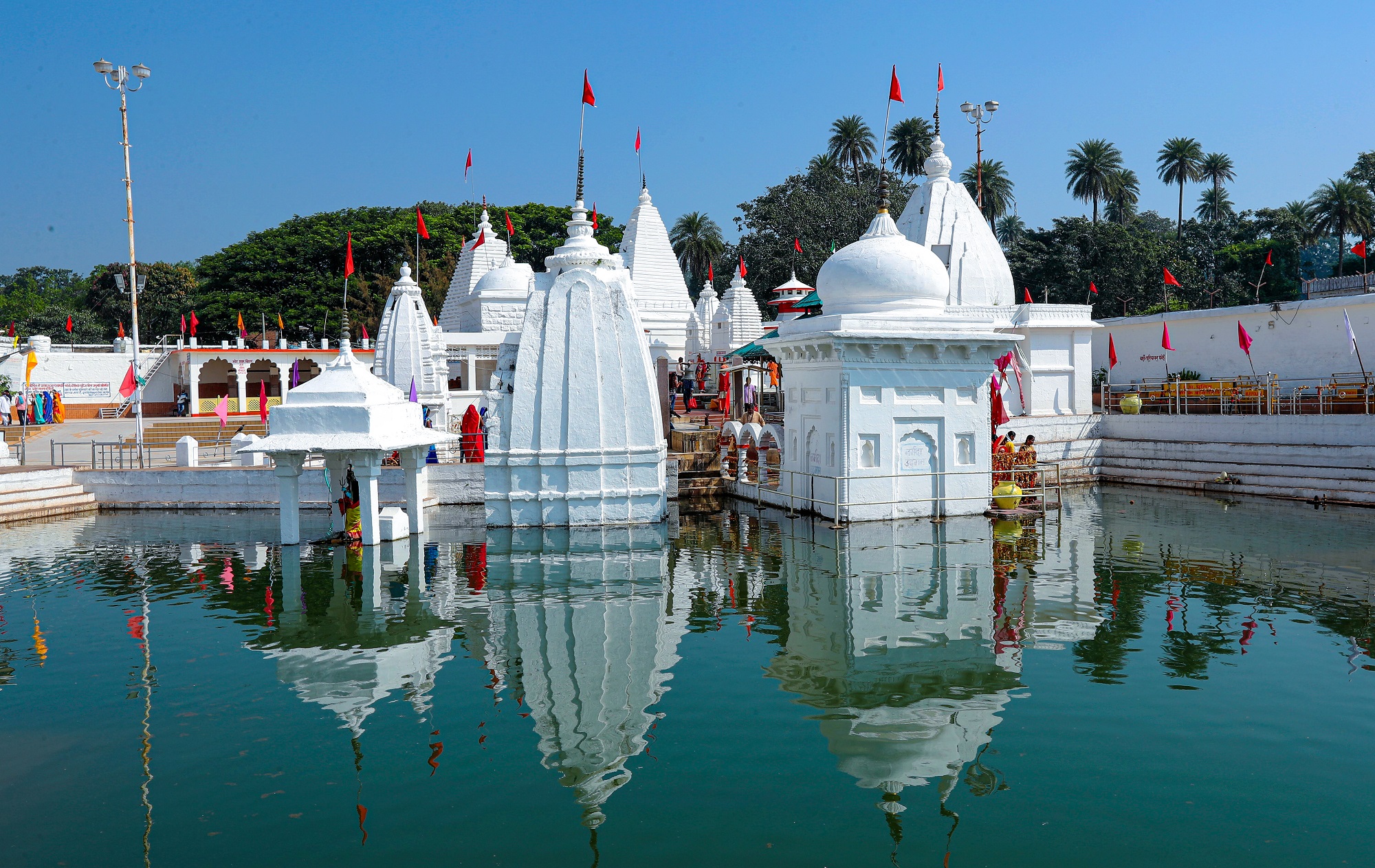
Narmada Udgam Sthal, Amarkantak - The origin of the Narmada
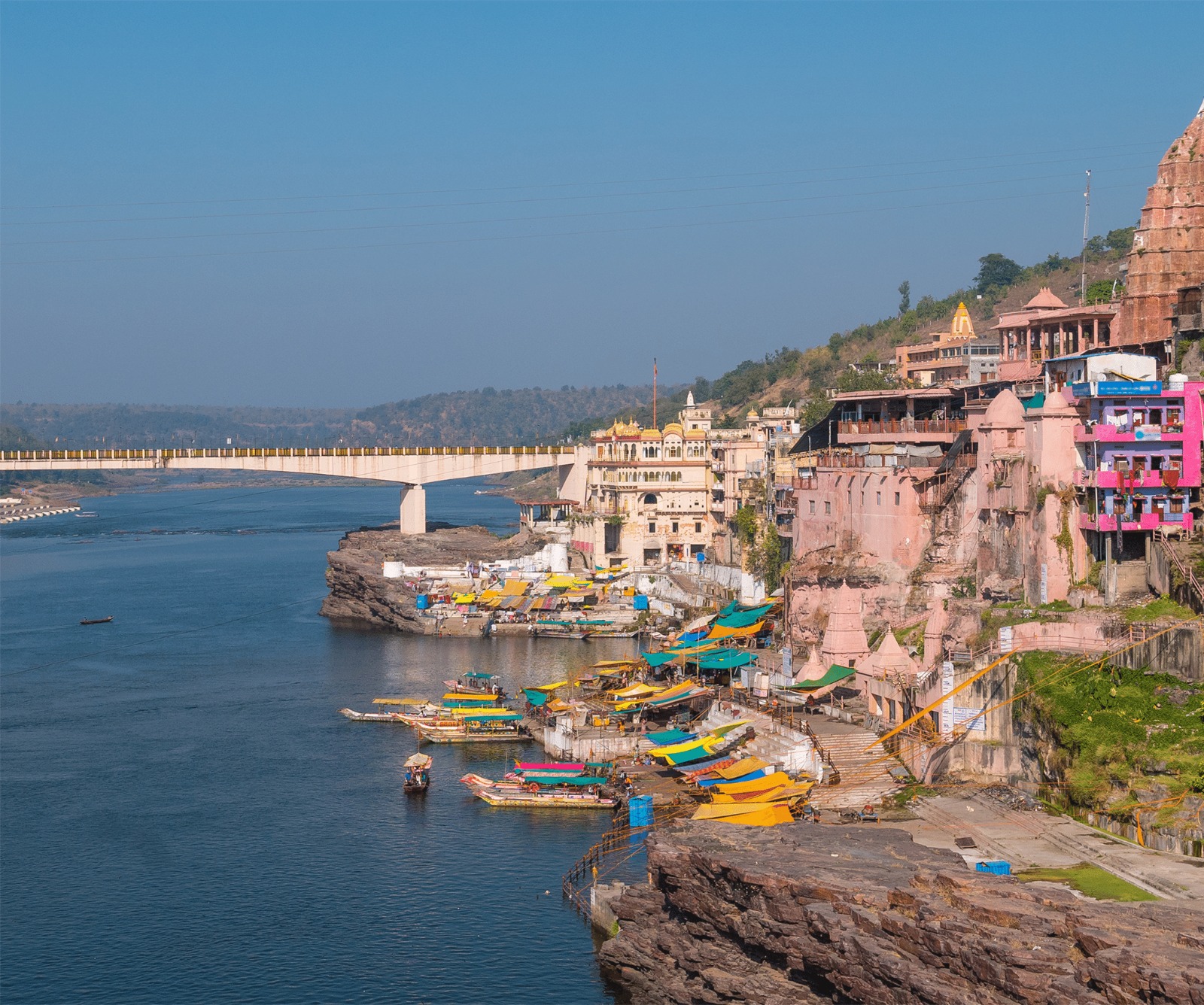
The Narmada flowing past the sacred town of Omkareshwar, one of the river’s important pilgrimage centers
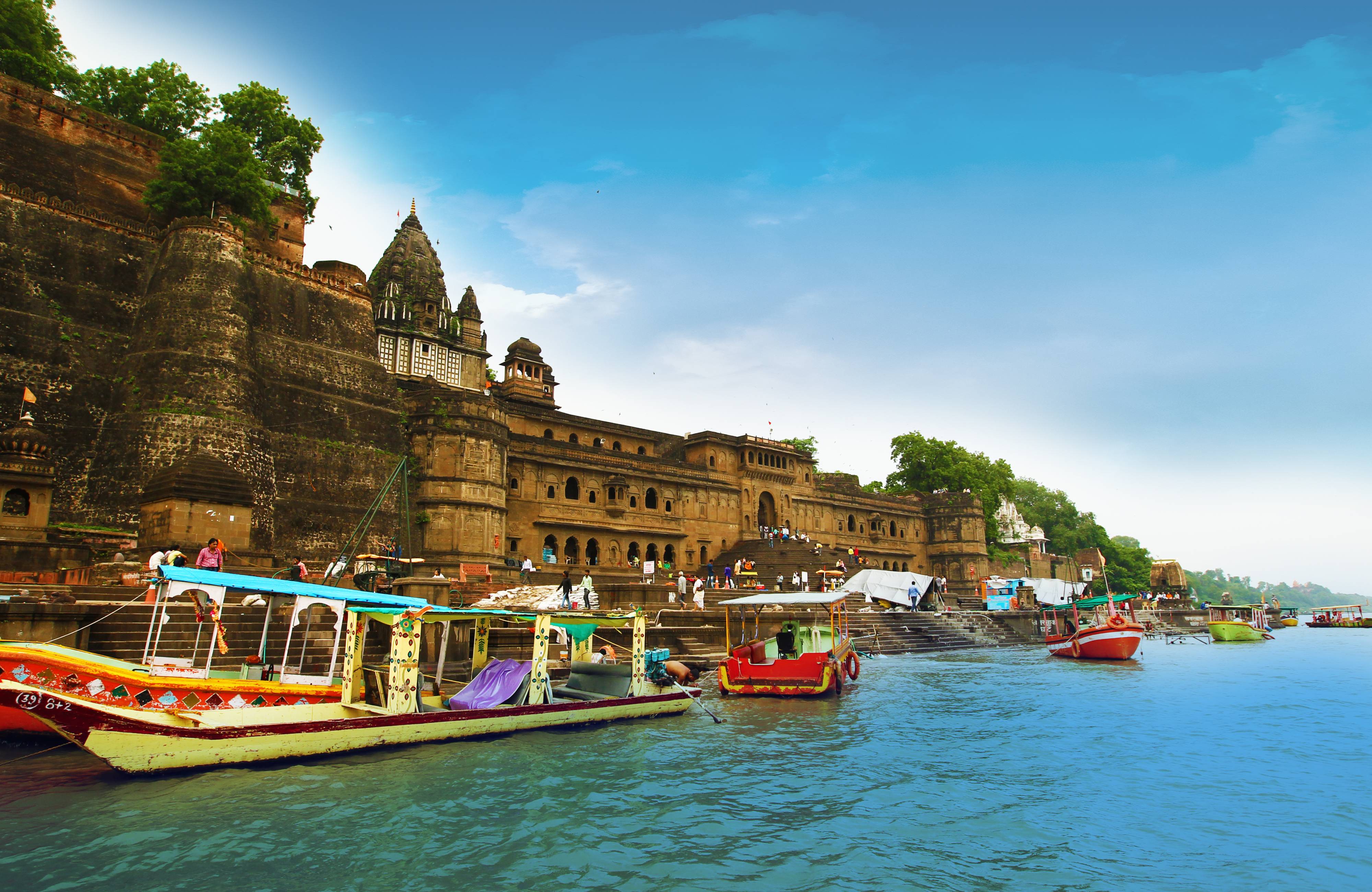
The historic Ahilya Fort and ghats overlooking the Narmada River at Maheshwar
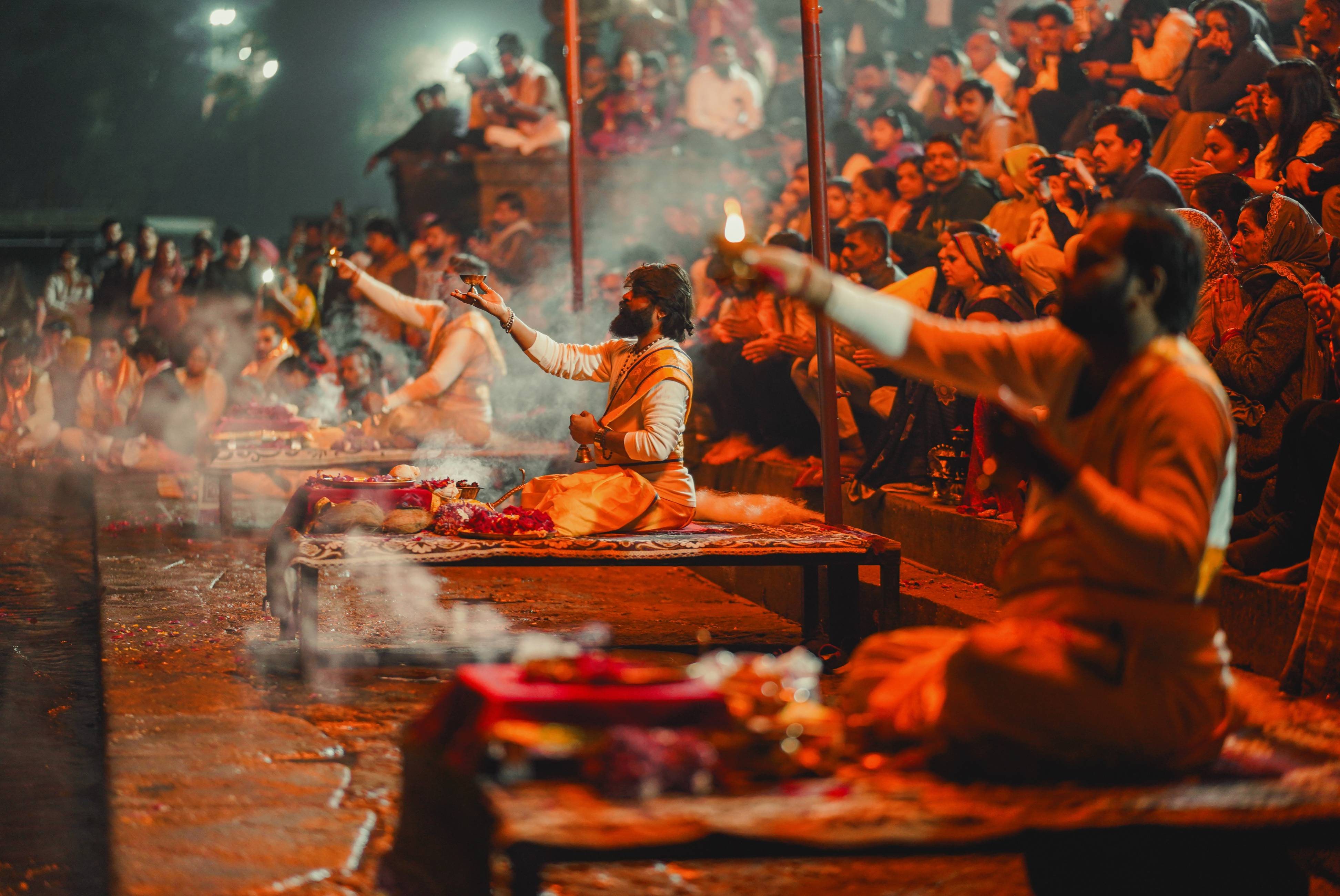
Aarti ceremony during the Narmada Parikrama | Photo Credit: Mithilesh Rajput
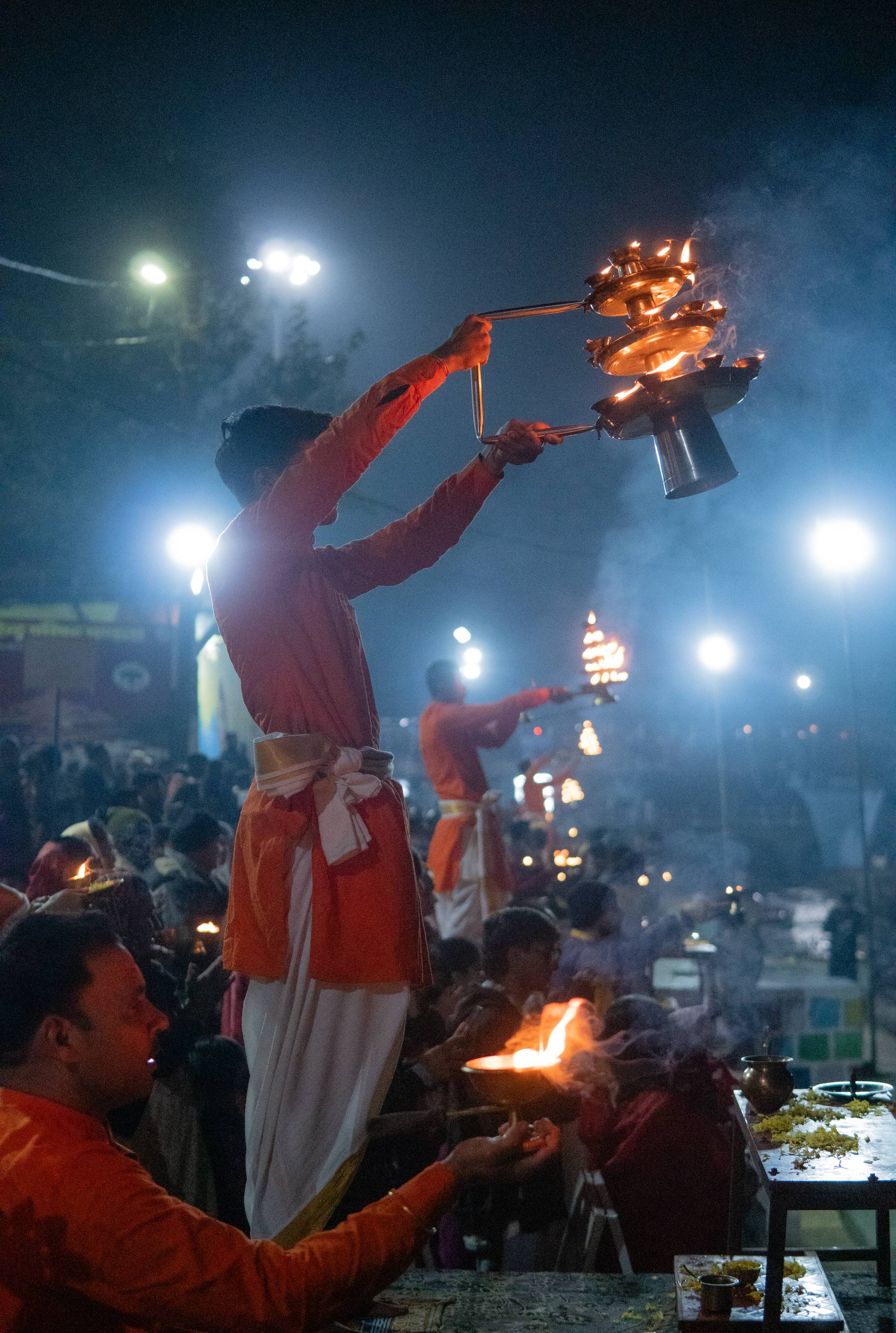
Narmada Aarti | Photo Credit: Dharmendra singh
The centuries-old river pilgrimage traces a 2,600-kilometre route through Madhya Pradesh and beyond
BHOPAL, MADHYA PRADESH, INDIA, September 23, 2026 /EINPresswire.com/ -- The Narmada Parikrama, the traditional circumambulation of the Narmada River on foot, has been inscribed in India’s National Inventory of Intangible Cultural Heritage by the Sangeet Natak Akademi, the nodal agency associated with India’s engagement with UNESCO’s Intangible Cultural Heritage program.The inscription places the Narmada Parikrama within the national framework for documenting India's living cultural traditions. It was among three elements from Madhya Pradesh included in the latest inventory, alongside Bhagoria Dance and Gond Painting. The Parikrama is categorized under “Social practices, rituals and festive events,” the same broad category under which traditions such as the Kumbh Mela are documented.
The pilgrimage follows the course of the Narmada, beginning at its source in Amarkantak in Madhya Pradesh, continuing downstream to Bharuch in Gujarat, where the river meets the Arabian Sea, and returning along the opposite bank to Amarkantak. Depending on the route followed, the complete circuit covers approximately 2,600 to 3,200 kilometers.
A Pilgrimage Shaped by the River
The Narmada Parikrama is traditionally undertaken on foot. Pilgrims follow the southern bank, or Dakshin Tat, from Amarkantak towards Bharuch before returning along the northern bank, or Uttar Tat. The journey has traditionally been observed over a period of three years, three months and thirteen days, with prescribed rituals followed along the route.
Many pilgrims today complete the journey within a shorter period, with some undertaking continuous walks over six to twelve months. Daily distances can range between approximately 15 and 25 kilometers, depending on the route and individual practice.
Unlike pilgrimages associated with a fixed festival calendar, the Narmada Parikrama does not have a prescribed season. Pilgrims can traditionally begin the journey from different points along the river. Along the route, ashrams, annakshetras or community kitchens, and dharamshalas provide food, rest and accommodation to parikramavasis. These community-supported institutions form an important part of the pilgrimage's living tradition.
A River Embedded in India's Sacred Geography
Known as Reva in ancient texts, the Narmada occupies an important place in India's sacred geography. References to the river and its spiritual significance appear in texts including the Skanda Purana and Matsya Purana.
Traditional accounts associate the banks of the Narmada with the spiritual practices of several sages, including Agastya, Bhrigu, Atri, Bharadwaj and Kapil. The tradition also associates the origins of the Parikrama with the sage Markandeya.
Omkareshwar, one of the twelve Jyotirlingas, is among the most significant sacred sites along the river. The Narmada also has an important connection with Adi Shankaracharya, who is traditionally associated with receiving instruction from his guru Govindapada on the banks of the river at Omkareshwar.
These associations have contributed to the Narmada's continuing significance as both a sacred river and a living cultural landscape.
Following the Narmada Through Madhya Pradesh
The Narmada originates at Amarkantak, in the Maikal Hills of Anuppur district, at an elevation of approximately 1,057 meters. From the Narmada Udgam Kund, the river flows westwards for around 1,312 kilometers before reaching the Arabian Sea at Bharuch.
Much of the river's course lies within Madhya Pradesh, and several of the most significant cultural and pilgrimage sites associated with the Parikrama are located in the State.
At Omkareshwar, the river surrounds Mandhata Island, where the Omkareshwar Jyotirlinga is located. The island also has its own approximately seven-kilometer circumambulatory route.
Further downstream, Maheshwar in Khargone district reflects the architectural and cultural relationship between the Narmada and the Holker period. Its historic ghats, temples and riverfront form an important part of the town's cultural landscape.
At Bhedaghat near Jabalpur, the Narmada passes through a dramatic marble gorge, where white and grey cliffs rise above the river. The area adds a distinct natural dimension to the pilgrimage corridor.
Other important locations associated with the Narmada corridor in Madhya Pradesh include Dindori, Mandla, Jabalpur, Narmadapuram, Budni, Nemawar, Mandleshwar and Dharampuri, creating a continuous geography of river-based heritage, spirituality and local cultural traditions.
Developing the Narmada Parikrama Corridor
The Government of Madhya Pradesh has also undertaken initiatives aimed at strengthening infrastructure along important sections of the Narmada pilgrimage corridor.
At Amarkantak, integrated development of the Narmada Parikrama Path has been announced under the PRASAD scheme, which focuses on infrastructure development at pilgrimage and spiritual destinations.
In Jabalpur, a dedicated Parikrama path is being developed at Gwarighat in two phases, covering the stretches from Jhilhari Ghat to Khari Ghat and from Bhatauli Ghat to Tilwara Ghat. The planned development includes improvements to ghats, rest areas and public facilities.
These initiatives are intended to support the needs of pilgrims while strengthening infrastructure along the river corridor.
A Living Cultural Landscape
Beyond the physical journey, the Narmada Parikrama brings together a range of cultural practices, community institutions, sacred sites and landscapes along the river.
For visitors interested in India's living traditions, the wider Narmada corridor provides access to destinations including Amarkantak, Omkareshwar, Maheshwar and Bhedaghat, each offering a different perspective on the river's cultural and natural setting.
The corridor also intersects with Madhya Pradesh's wider heritage landscape, including historic architecture, traditional crafts, wildlife areas and community-based experiences. Rather than being defined by a single destination, the Parikrama represents a continuous cultural landscape shaped by the river and the communities living along its banks.
The inclusion of the Narmada Parikrama in India's National Inventory of Intangible Cultural Heritage provides formal recognition to a tradition that continues to be practiced today, while bringing greater attention to the cultural practices, places and communities associated with the Narmada River.
ZM
Madhya Pradesh Tourism Board
email us here
Visit us on social media:
LinkedIn
Instagram
Facebook
YouTube
X
Madhya Pradesh: Narmada Aarti
Legal Disclaimer:
EIN Presswire provides this news content "as is" without warranty of any kind. We do not accept any responsibility or liability for the accuracy, content, images, videos, licenses, completeness, legality, or reliability of the information contained in this article. If you have any complaints or copyright issues related to this article, kindly contact the author above.
